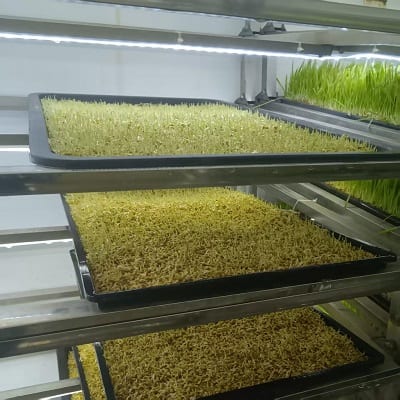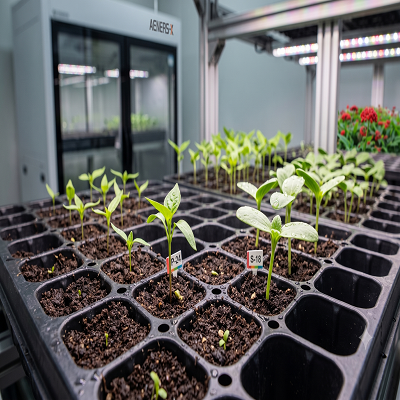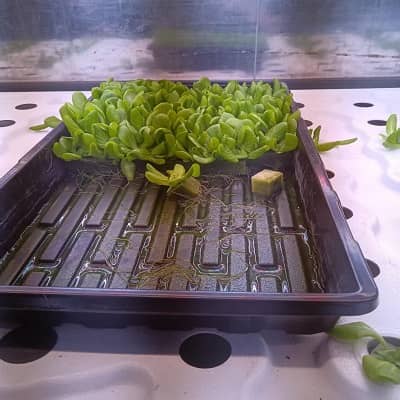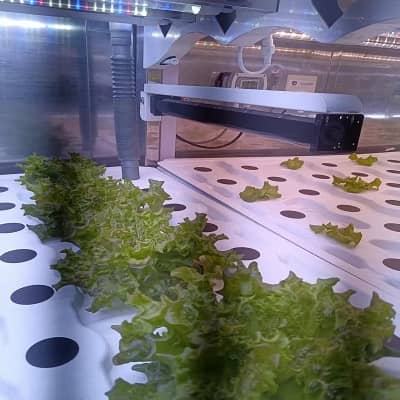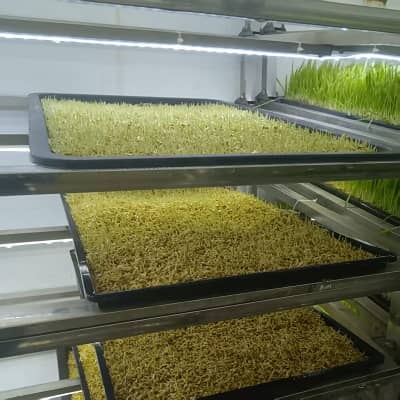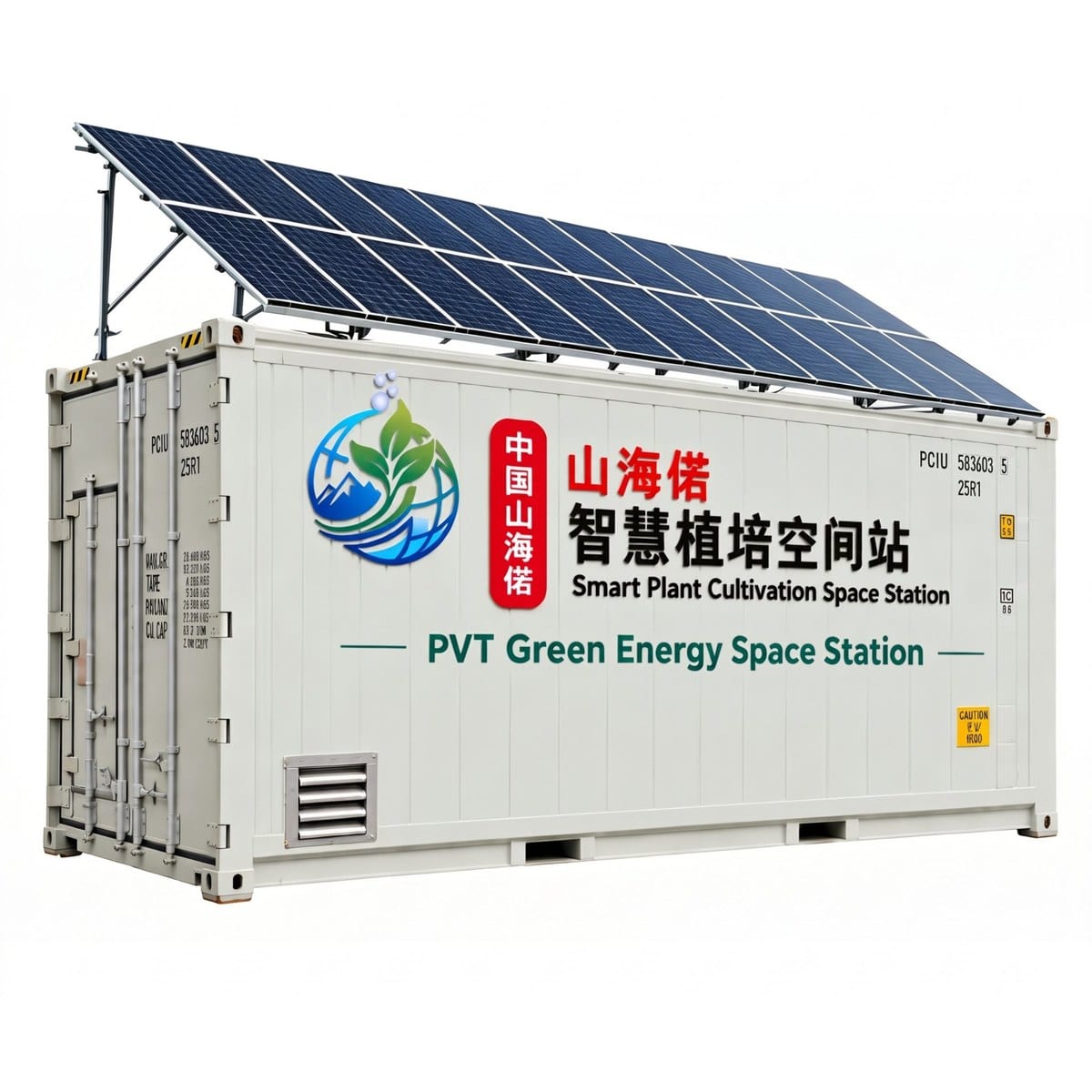
Seedling production is delivered on the mobile smart seedling space station, which creates an intelligent climate for young plants inside a standardized cabin for efficient, continuous year-round nursery production — even emergence, high survival, and mobile deployment right next to the field for a shorter recovery after transplanting.
Industry Pain Points
The seedling industry widely faces difficulties such as climate control, unstable seedling quality, insufficient standardization and high labour costs. Traditional nurseries depend heavily on natural conditions and technical experience, making vigorous seedlings, uniform batches and on-time delivery hard to sustain. The main pain points are as follows:
1. Difficult climate control — unstable emergence and growth
Germination and seedling growth are sensitive to temperature, humidity, light and water, and needs differ by variety and stage. Conventional nurseries are exposed to the weather; late adjustment causes slow germination, uneven emergence or stunted growth — precise, stable nursery conditions are urgently needed.
2. Uneven seedling uniformity, hard to grow strong seedlings
Uneven distribution of light, temperature, humidity and water & fertilizer in the nursery causes size variation, leggy growth, weak seedlings or poor root systems within one batch. Quality gaps add grading and re-planting work and hurt transplant survival and growth consistency, demanding higher uniformity and precision in the nursery environment.
3. Experience-dependent protocols, hard to replicate
Germination, lighting, irrigation, fertilization and hardening-off after sowing need fine management; timing and parameters rely on technician experience. Without continuous production records, anomalies are hard to trace and proven protocols are hard to accumulate and reuse — constraining scale-up and cross-region expansion.
4. Diseases easily occur and spread, weak early prevention
Dense seedlings with low stress tolerance, high humidity, poor ventilation and uncontrolled substrate or water hygiene raise the risk of damping-off and similar diseases. Shared tools, water lines and handling can spread infection, and manual patrols rarely catch early signs — zoning, monitoring and early warning are essential.
5. Frequent manual operations, limited efficiency and timeliness
Climate patrol, water & fertilizer management, equipment adjustment and seedling records are highly repetitive; manual work easily misses checks, runs late or varies between operators. Nights, holidays and simultaneous multi-batch production add pressure — automatic control, remote viewing and centralized management are increasingly demanded.
6. Low water, fertilizer and energy efficiency, hard unit costing
Young plants are sensitive to water and fertilizer; imprecise irrigation causes waterlogging, drought or uneven nutrients. Uncoordinated heating, lighting and ventilation wastes energy. Batch-level water, energy and sellable-seedling records are missing, so per-seedling cost is hard to account for and optimize.
7. Heavy facility investment, little trial or expansion flexibility
Conventional nurseries involve site works, bench layout and climate and water-fertilizer systems, with high upfront cost and long build times. Fixed facilities cannot flex with order size or variety changes; smaller operators face high trial-and-error costs and rigid space in new-variety trials, small batches and staged expansion.
8. Nursery cycles disturbed by weather, hard on-time delivery
Heat waves, cold snaps and long rainy spells change seedling growth speed, so transplant-ready dates shift and downstream transplanting plans are affected. Interwoven batches and varieties complicate scheduling, making on-demand, staggered and on-time delivery hard to guarantee.
Seedling & Climate Control Points
- Precision supplemental lighting: precision horticultural lighting is set by nursery stage — intensity and photoperiod — for vigorous, uniform seedlings.
- Automatic misting & water circulation: automatic misting and water-recycling control enable efficient, continuous year-round nursery production with an even, controllable water supply.
- Cloud-based climate control: cloud computing automatically regulates temperature, humidity, light, CO2 and substrate conditions throughout the nursery cycle, minimizing natural constraints.
- Safe and pollution-free: seedlings are safe and pollution-free; operation is simple and highly standardized for easy scale-up and unified management.
- Mobile deployment: the container moves to fields and farms to raise seedlings on site, reducing transport damage and shortening recovery after transplanting.