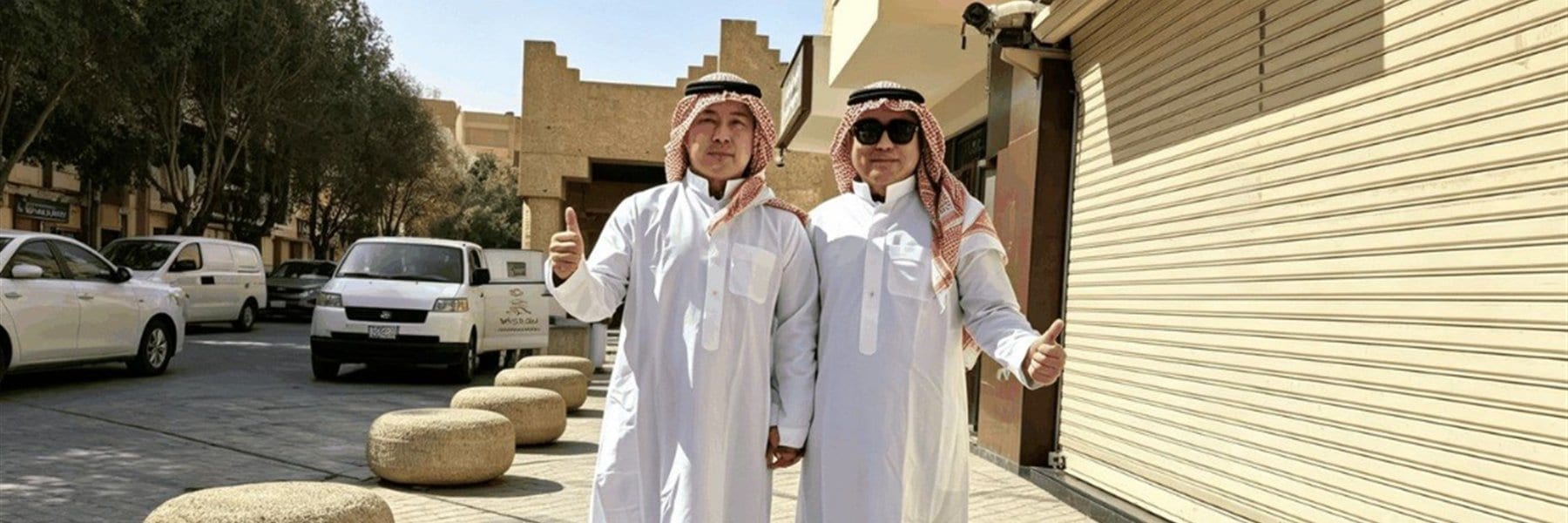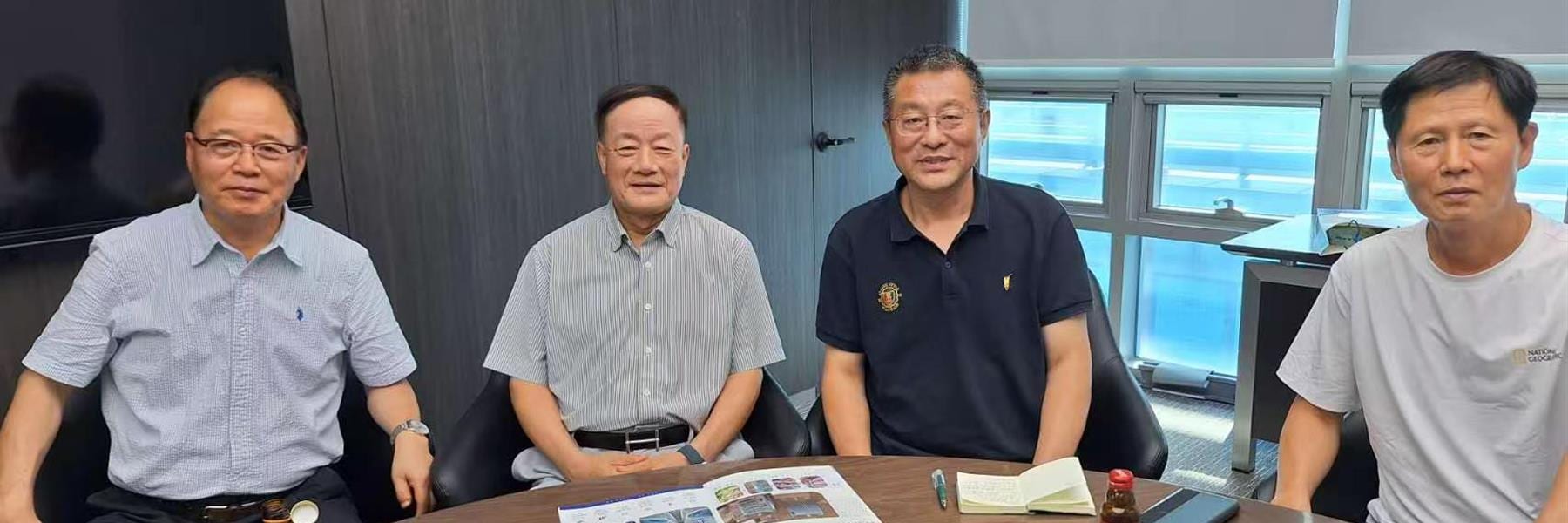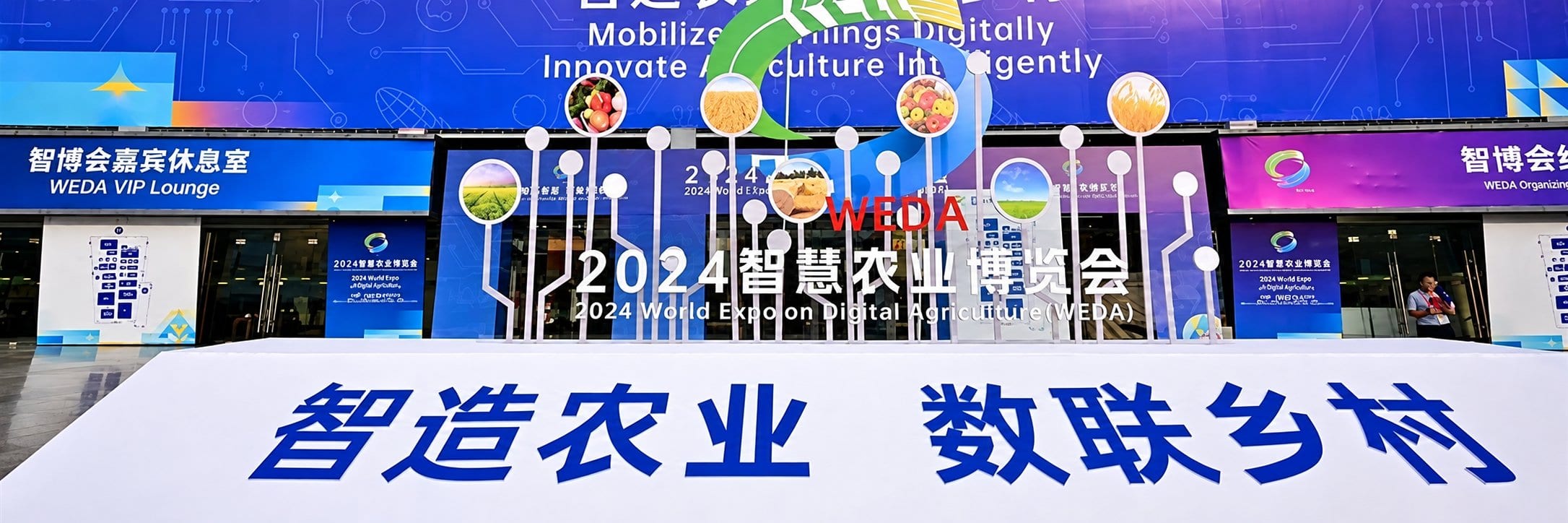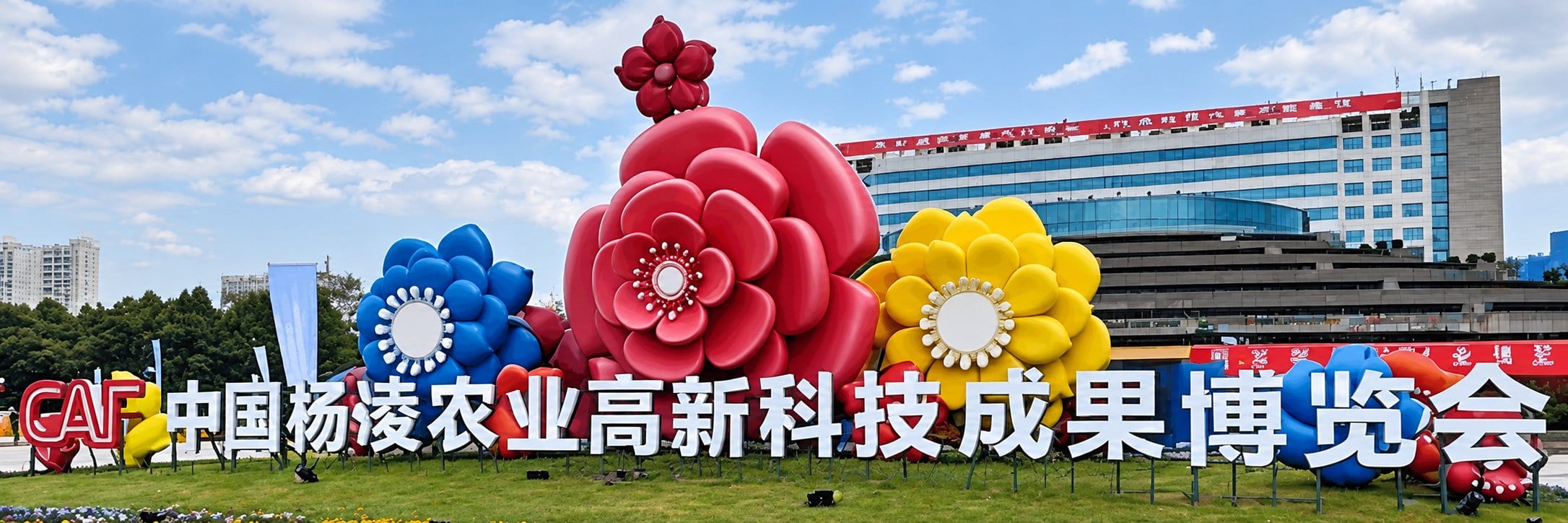
From August 7 to 8, the 2nd Xinjiang International Modern Protected-Agriculture Technology & Equipment Expo was held at the Xinjiang International Convention and Exhibition Center. With the theme of “Building a Future of Connected Technology for Protected Agriculture,” the expo ran concurrently with the 24th China Xinjiang International Agricultural Expo and the 15th Xinjiang International Seed Trade Fair, covering a total exhibition area of 120,000 square meters, gathering more than 2,500 companies and attracting over 100,000 professional visitors. The company showcased its container-type smart cultivation cabins and held intensive meetings with merchants from Central Asia and the Middle East on gobi protected agriculture and plant factory solutions.
As the core area of the Silk Road Economic Belt, Xinjiang is leveraging its geographic and agricultural resource advantages to build protected agriculture into a new showcase for opening up to the west. Running alongside the Agricultural Expo and the Seed Trade Fair, this expo formed a complete display chain from seeds and equipment to cultivation solutions, and became an important window for domestic and foreign companies to connect with Central Asian and West Asian markets. For the company, Xinjiang is not only an important application market, but also a bridgehead radiating into Central Asia and the Middle East.
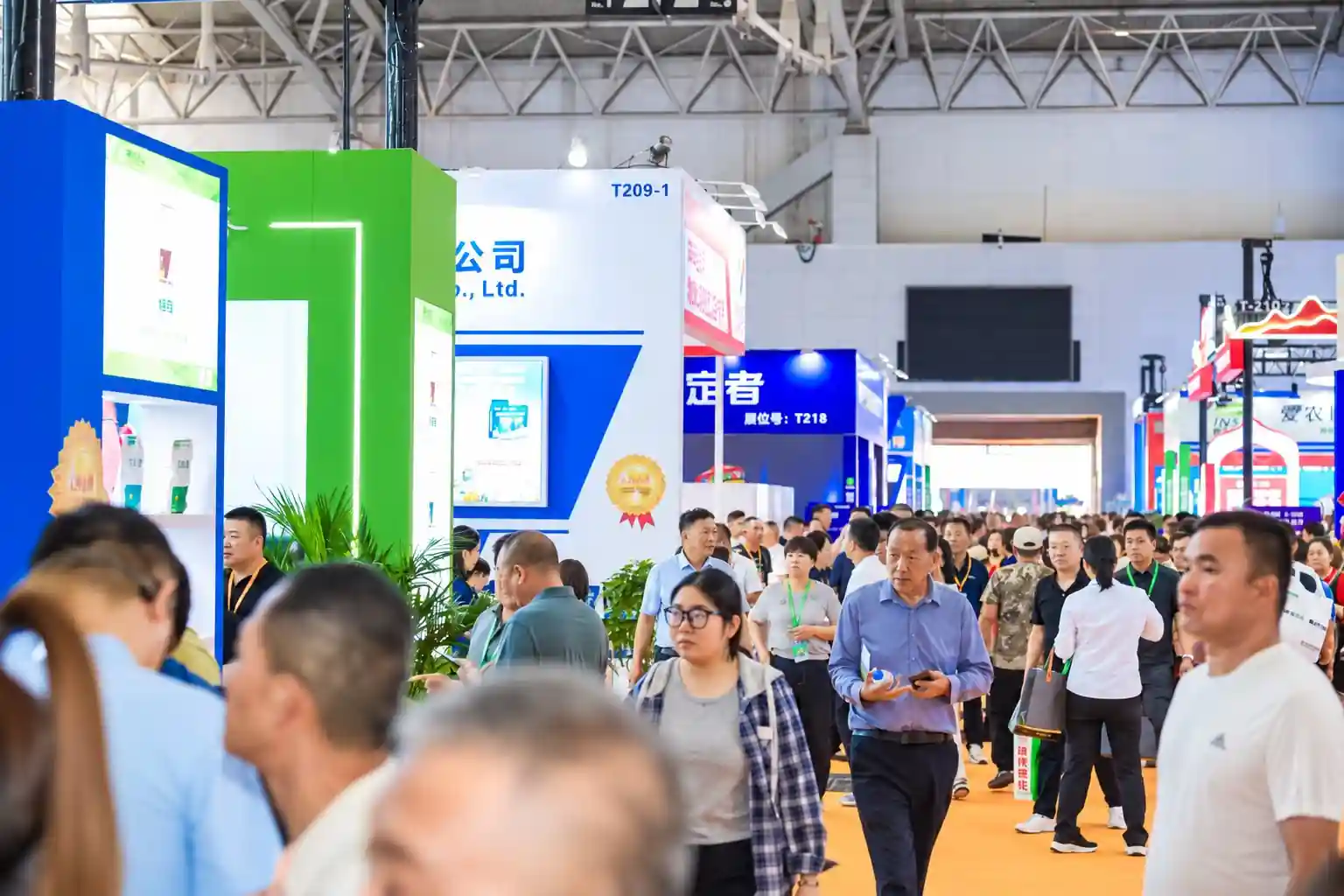
▲ Expo venue bustling with professional visitors
Xinjiang is China’s frontier for opening up to the west and one of the regions with the fastest-growing demand for protected agriculture. In recent years, protected agriculture construction in southern Xinjiang has accelerated across the board: the Hotan Prefecture has signed 77 projects this year with a total value exceeding 62.7 billion yuan, with protected agriculture a key investment attraction area; projects such as the 800,000-square-meter multi-span smart greenhouse in Shuanghe City (5th Division) and the Modern Protected Agriculture Industrial Park in Shihezi have been launched one after another. According to the Work Plan for Promoting High-Quality Development of Modern Protected Agriculture in Southern Xinjiang jointly issued by the Ministry of Agriculture and Rural Affairs and the autonomous region, by the end of 2028 the annual output value of protected horticulture in southern Xinjiang will reach 9 billion yuan or more, creating nearby employment for more than 200,000 rural workers.
Abundant non-arable resources such as gobi deserts and saline-alkali land are a natural endowment for Xinjiang’s protected agriculture, but they also place higher demands on equipment weather resistance, water efficiency and intelligence. Container-type smart cultivation cabins can bypass soil constraints and be rapidly deployed in parks and bases in a modular, relocatable manner, serving both local “vegetable basket” stable production and supply, and accumulating engineering experience adapted to arid and semi-arid regions for facility equipment going global.
Grounded in the production realities of southern Xinjiang, the expo set up six specialized exhibition zones around major crops such as tomato, cucumber, pepper and blueberry — greenhouse facilities and environmental control, seedling cultivation and water-fertilizer plant protection, digital smart monitoring, and post-harvest handling and packaging — covering the entire protected agriculture industry chain. Forums such as the Xinjiang Modern Protected Agriculture High-Quality Development Exchange Conference were held concurrently, building precise matchmaking channels for suppliers and buyers.
Forums such as the Xinjiang Modern Protected Agriculture High-Quality Development Exchange Conference further amplified the expo’s platform value: industry experts, companies and growers discussed technical routes, policy directions and business models for gobi protected agriculture, providing the company with a more direct information window for understanding regional market demand and connecting with local partners. This combination of “exhibition + forum + matchmaking” also gave us a clearer view of the large-scale prospects for protected agriculture in arid and semi-arid regions.
At the show, the company highlighted its container-type smart cultivation cabins: built on standard containers and integrating soilless cultivation, LED supplemental lighting, smart environmental control and an integrated water-fertilizer system, they can be rapidly deployed on non-arable land such as gobi deserts and saline-alkali soils to achieve year-round, standardized vegetable production. Compared with traditional open-field cultivation, this solution drastically reduces water use and significantly increases yield per unit area, fitting the real constraints of scarce water and limited land in Xinjiang and Central Asia, and attracted batches of visitors to stop and negotiate.
Addressing visitors’ concerns about cost and operation, the company team highlighted the cabins’ standardized production and remote smart-control capabilities: through built-in sensors and cloud management, precise scheduling of temperature, light, water and fertilizer can be achieved, greatly reducing dependence on on-site technicians — a feature especially critical for markets such as Central Asia and the Middle East where skilled talent is relatively scarce. Many visitors expressed interest in further engagement on localized cultivation plans for specific crops.
During the expo, the company held in-depth exchanges with numerous buyers and agricultural companies from Central Asia and the Middle East, reaching multiple preliminary cooperation intentions on equipment selection, localized cultivation plans and operating models. Continued participation in such professional expos enables the company to keep pace with technology trends and market dynamics in protected agriculture while accumulating channel resources for its products going global. Next, the company will continue refining the adaptability and cost-effectiveness of its cultivation cabins, bringing more replicable smart cultivation solutions to partners in arid and semi-arid regions.