The Middle East is one of the regions with the tightest water resources and the highest food import dependence in the world, and also the fastest-growing market for protected agriculture. To gain a clear picture of local demand, the company — while expanding its core overseas market position in the Middle East — made a special field visit to Saudi Arabia to research vegetable supply pain points under extreme desert conditions, aiming to precisely align with the localized needs of agricultural transformation and protected agriculture upgrading across the Middle East.
From a regional perspective, Gulf countries generally incorporate food security into national strategy, attracting international companies to participate in local controlled-environment agriculture through policy incentives, fiscal subsidies and land supply. Countries such as the UAE and Qatar have completed a number of large-scale greenhouse and hydroponic projects, while Saudi Arabia, guided by its “Vision 2030,” treats agricultural technology innovation as a key path to reducing dependence on imported food. The entire Middle East is becoming one of the most active markets globally for protected agriculture investment.
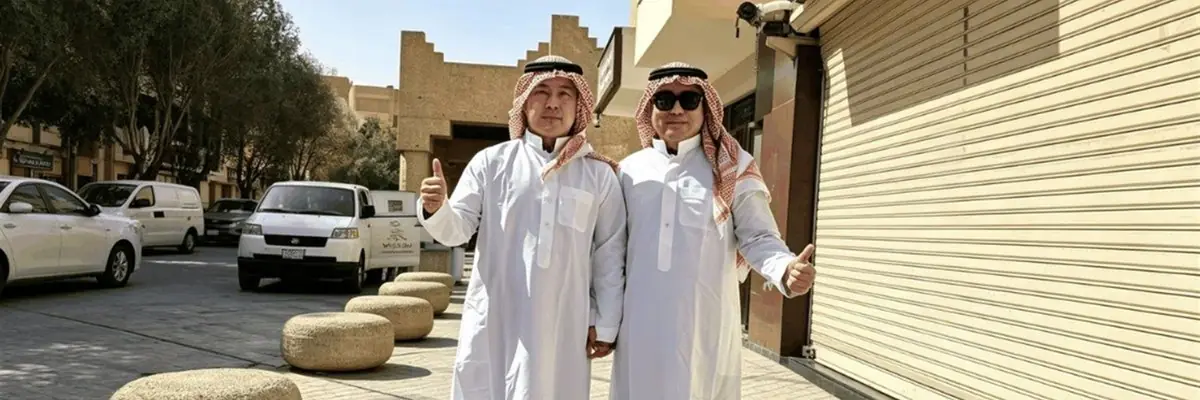
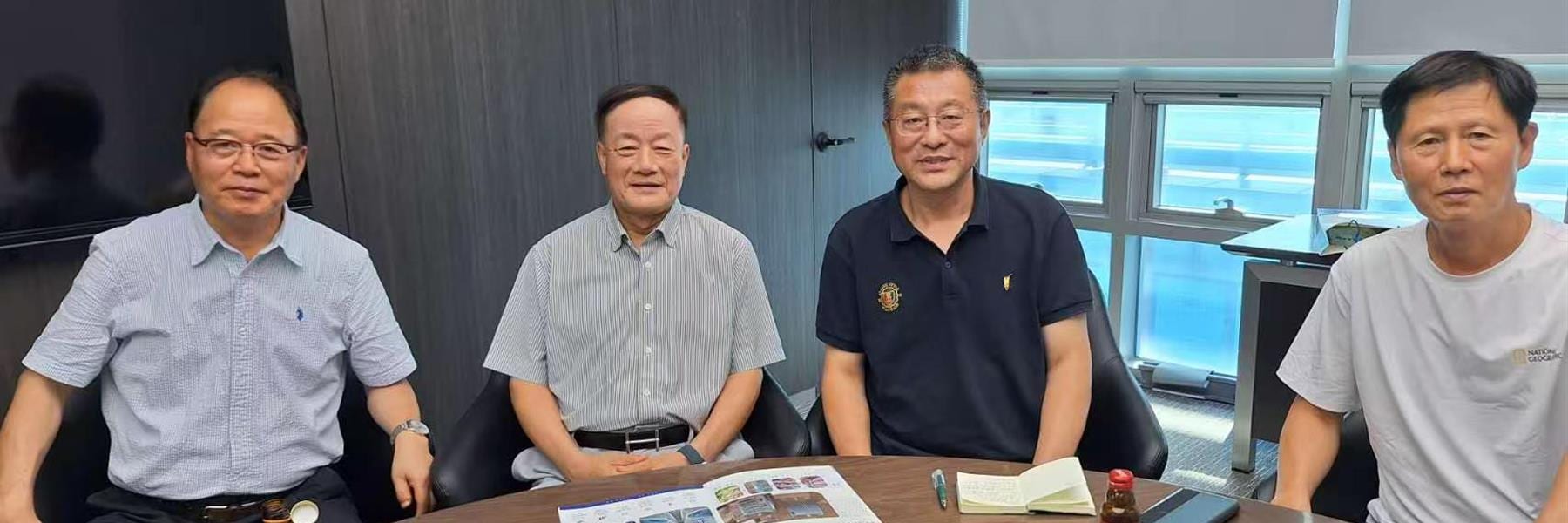
▲ Team visiting local agricultural supply markets in Saudi Arabia
Saudi Arabia has a tropical desert climate: about 95% of its territory is desert, annual precipitation is generally less than 100 millimeters, and the proportion of arable land has long been low, with agricultural water use heavily dependent on non-renewable groundwater and seawater desalination. In recent years, with population growth and the emphasis on food security under “Vision 2030,” Saudi Arabia has adopted controlled-environment agriculture as a breakthrough direction, vigorously promoting hydroponics, aeroponics and high-tech greenhouses. According to the Saudi General Authority for Statistics, total greenhouse vegetable output in Saudi Arabia reached 797,000 tons in 2024, up 10.6% year on year, of which tomato output was the highest at about 329,000 tons and cucumber exceeded 232,000 tons; the national protected cultivation area is about 7,800 hectares, with more than 121,000 vegetable greenhouses. As early as 2020, the Saudi government invested 665 million US dollars to support local farmers in adopting hydroponic technology to increase yields.
As a market with continued population growth and a continuously upgrading food consumption structure, Saudi Arabia’s long-standing high dependence on fresh vegetable imports means local supply cannot fully cover urban demand — especially in summer high-temperature periods, when prices and volatility of leafy greens and similar categories are particularly pronounced. This structural gap precisely provides a stable, long-term demand foundation for controlled-environment agriculture and modular cultivation equipment, and is the source of the company’s confidence in deepening its presence in the Middle East.
Under the dual drivers of policy and market, Saudi Arabia’s controlled-environment agriculture is showing accelerated development, with government support for localized production, water-saving technology and smart equipment continuously strengthening. For the company, this means both doing reliability validation for high-temperature, high-humidity and dusty environments at the product level, and respecting local business rules and cultural customs at the cooperation level — gradually building long-term trust through demonstration projects, local partners and after-sales networks.
During the visit, we observed that local greenhouse vegetable prices and supply are significantly affected by season and climate, especially in summer high-temperature periods; remote cultivation bases also commonly face constraints in electricity, water resources and technical personnel, creating urgent demand for low-water, easy-to-maintain, rapidly deployable cultivation systems. This aligns closely with the technical characteristics of the company’s container-type smart cultivation cabins — enclosed cabins isolate external high temperatures and dust, recirculating water-fertilizer systems significantly reduce water use, and standardized modules facilitate transport and installation, enabling production close to cities and bases. For local growers, this means more stable output expectations and more controllable operating costs.
Based on this, the company positions the Middle East as a strategic, long-term overseas market rather than a source of short-term orders. Next steps include forming replicable cabin cultivation plans around suitable crops such as tomato and leafy greens, combined with local climate and consumption preferences, and using Saudi Arabia as a fulcrum to gradually radiate into neighboring countries such as the UAE and Kuwait, translating Chinese smart cultivation technology and experience into visible, stable local output.
This research gave us a clearer judgment on the market entry path for the Middle East: we must both respect local resource endowments and religious and cultural customs, and achieve localized adaptation in crop selection, operating models and after-sales service systems. Cultivating the Middle East market requires patience and long-term investment — only by truly solving the practical problems of local growers can products stand firm and go far. Going forward, the company will combine the research findings to optimize product configuration, and work with local partners to advance demonstration projects, steadily deepening this strategic overseas market so that more Chinese smart cultivation solutions take root in desert regions.