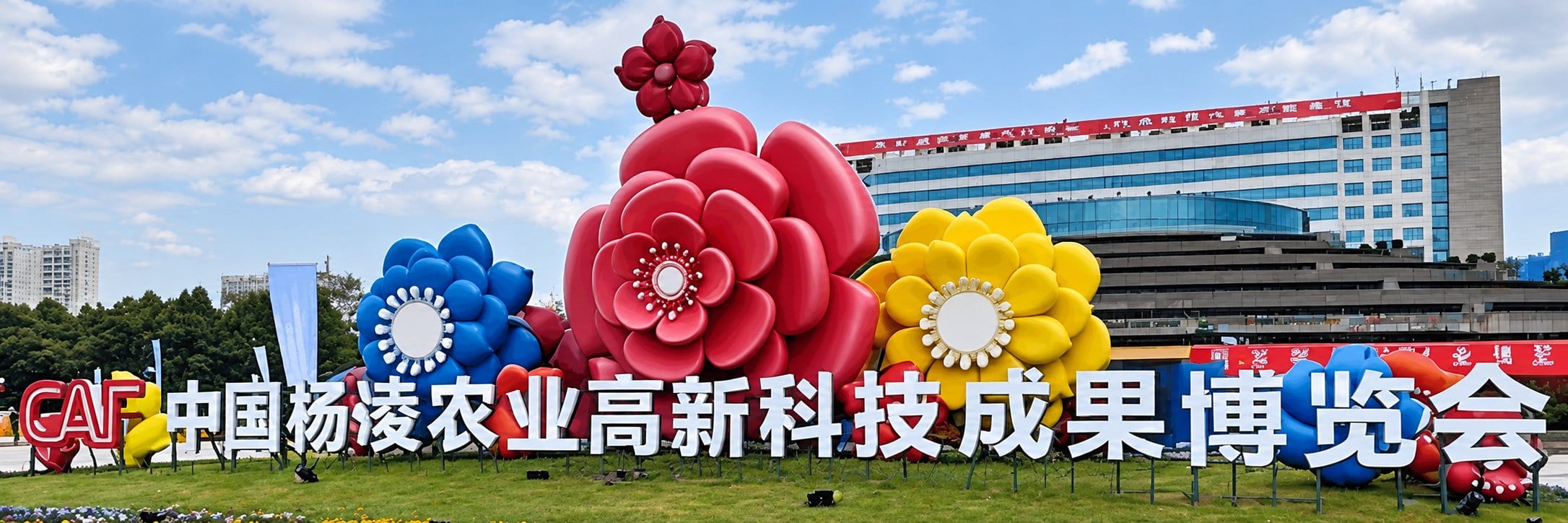
From September 20 to 23, 2024, the 2nd World Expo on Digital Agriculture (WEDA), hosted by the Center for Foreign Economic Cooperation of the Ministry of Agriculture and Rural Affairs, was held at the Chengdu Century City New International Convention and Exhibition Center. With the theme of “Connecting All Things with Data, Creating Agriculture with Intelligence,” the expo gathered more than a hundred domestic and international agricultural technology companies and attracted nearly 100,000 on-site visitors. The company was invited to exhibit, presenting its plant factory and modular agriculture core equipment.
As a professional digital agriculture expo facing the world, the choice of venue for WEDA itself is quite meaningful: Chengdu, located in the Chengdu-Chongqing region — an important agricultural and technology hub in western China — offers both rich application scenarios and hub conditions for undertaking international technology transfer. For the company, using this platform to debut in the west and connect with national and even ASEAN markets is both an opportunity for brand exposure and an important part of listening to downstream demand and refining product definition. Against the backdrop of accelerating agricultural digital transformation, whoever takes the lead in standards, scenarios and ecosystems will occupy the initiative in the next phase of industrial competition.
WEDA focuses on the application of digital technology in agriculture and rural areas, featuring six exhibition zones including smart agriculture, digital countryside, and rural and cross-border e-commerce. Concurrent activities included the 2nd China-ASEAN Digital Agriculture Forum and the Digital Agriculture Entrepreneurs Dialogue, with representatives from ASEAN countries and relevant United Nations agencies discussing agricultural digitalization trends. Its predecessor — the 2023 inaugural Smart Agriculture Expo — was held in April of that year in Weifang, Shandong, with the theme of “Intelligent Manufacturing for Agriculture, Connecting the Countryside with Data,” attracting nearly a thousand domestic and international companies to exhibit, and has become an important window for showcasing cutting-edge achievements in digital agriculture and promoting international exchange and cooperation.
Currently, the integration of digital technology and agriculture is moving from point applications to system integration: IoT sensing makes the environment perceptible and knowable, data analysis makes decisions evidence-based, and automated equipment makes production manageable and controllable. Under this trend, plant factories and modular agriculture — with their standardized and highly controllable characteristics — have become one of the best carriers for digital technology deployment, and also provide a low-threshold entry point for small and medium-sized growers to participate in modern agriculture.
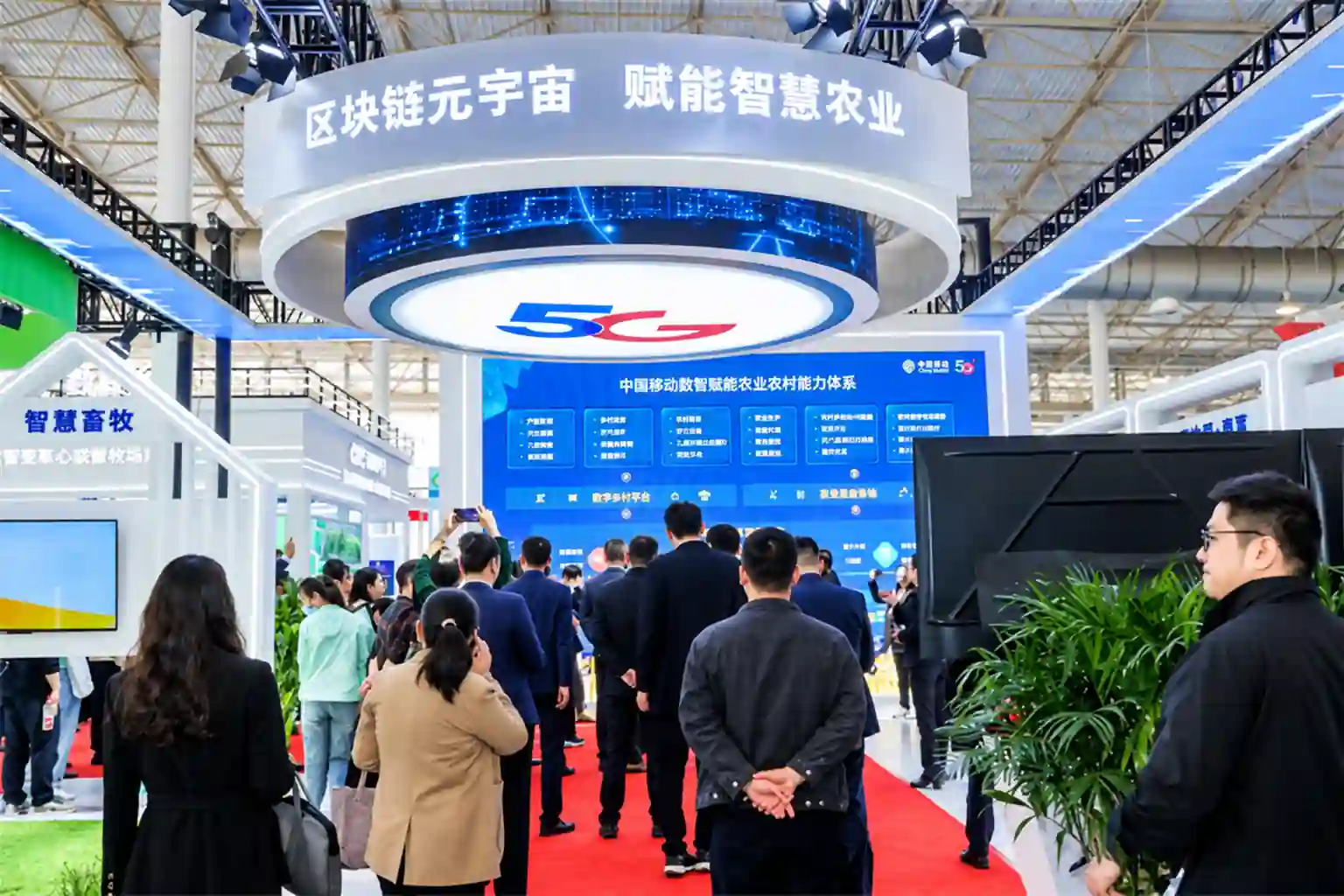
At the expo, the company highlighted container-type plant factories and modular cultivation equipment: built on standard containers and integrating multi-layer vertical cultivation, LED supplemental lighting, smart environmental control and a water-fertilizer recirculation system, they enable year-round, standardized vegetable production within a limited footprint, featuring water and land savings and flexible deployment. The booth attracted batches of domestic and international visitors and industry experts to stop and exchange, with both sides conducting detailed discussions on equipment performance, cultivation varieties and deployment scenarios.
Addressing technical hotspots of interest at the expo, the company further demonstrated the cabins’ digitalization capabilities: through a built-in sensor network and cloud management platform, key parameters such as in-cabin temperature and humidity, lighting, and water-fertilizer concentration can be monitored in real time and adjusted remotely, with unified scheduling of multiple cabins supported. This “device-cloud” linked design both reduces on-site management difficulty and reserves space for subsequent data accumulation and algorithm optimization.
Digital agriculture is an important direction for agricultural modernization. From smart agricultural machinery and agricultural big data to plant factories, digital technology is accelerating its integration into breeding, cultivation, processing and circulation, providing new possibilities for resolving resource constraints and improving production efficiency. As a participant in the smart cultivation equipment field, the company hopes to use such international platforms to present its modular products and solutions to more partners, and to bring back the advanced experience of international peers.
From a longer-term perspective, participating in such national-level expos is an important way for the company to integrate into the digital agriculture ecosystem and connect with upstream and downstream resources. Through exchanges with research institutions, equipment manufacturers and channel partners, the company can continuously calibrate its product direction, making its modular smart cultivation solutions more solid and closer to real scenarios, and accumulating experience for future participation in industry standards and demonstration projects.
Through this national-level official platform, the company not only gained authoritative industry endorsement, further enhancing brand credibility and industrial influence, but also established connections with multiple agricultural technology companies and research institutions, opening new windows for subsequent technical cooperation and market expansion. At present, digital agriculture is moving from concept to large-scale application. The company will continue to deepen its expertise in smart cultivation equipment, resonating with the industry’s digitalization wave, and bringing “replicable, promotable” solutions to more application scenarios.