On January 23, 2026, Xianghu Laboratory and Zhejiang Top Cloud-Agri jointly released “Chuiyuan”, an AI agent dedicated to plant factories. Covering investment assessment, cultivation management and operations and maintenance, the release explores deeper integration of artificial intelligence with controlled environment agriculture. It offers a new technology application case for smart cultivation and reflects the industry's growing focus on intelligent decision-making and sustained operational capability.
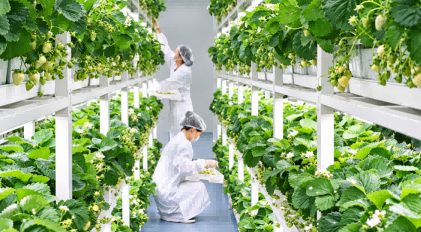
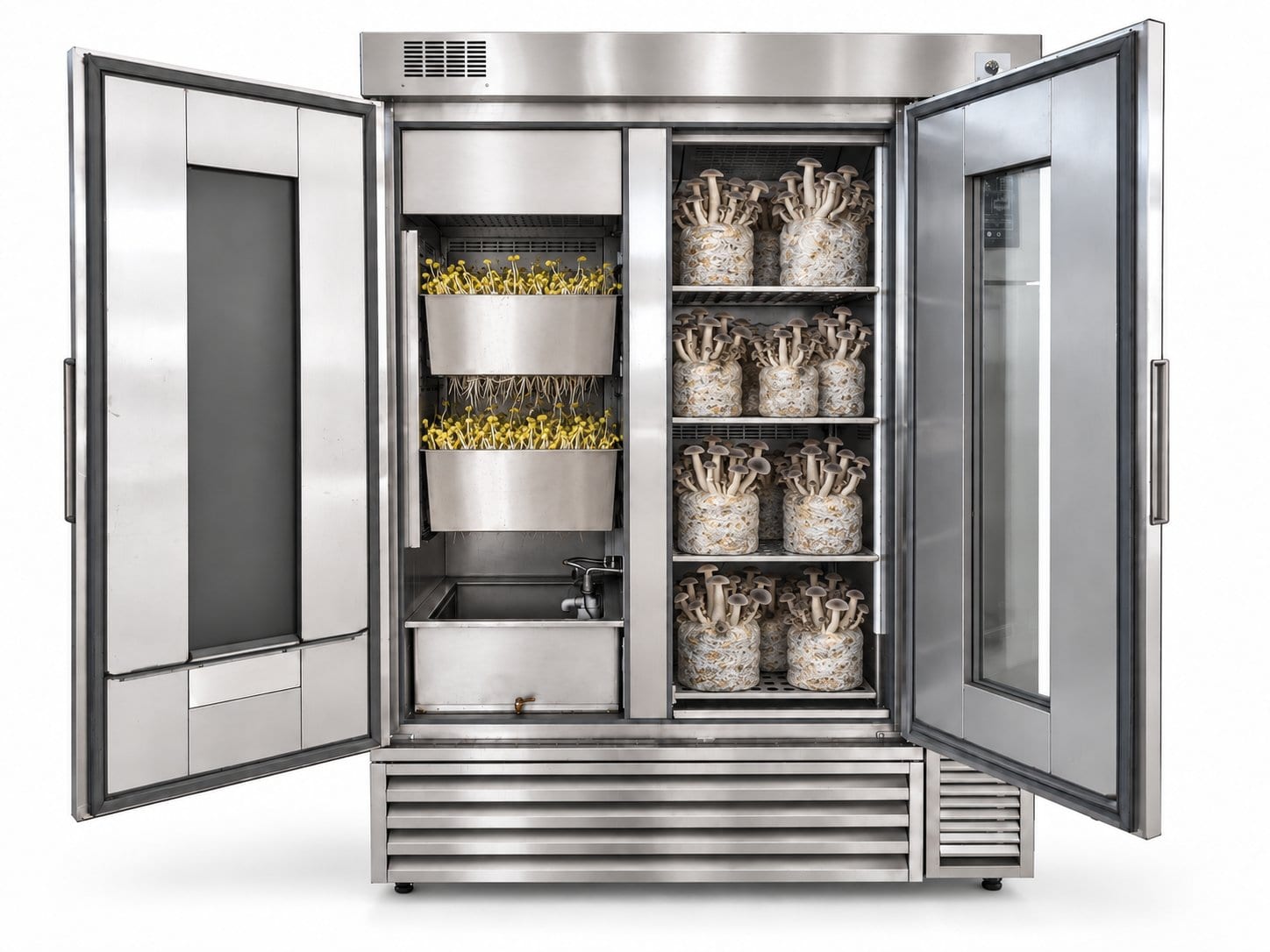
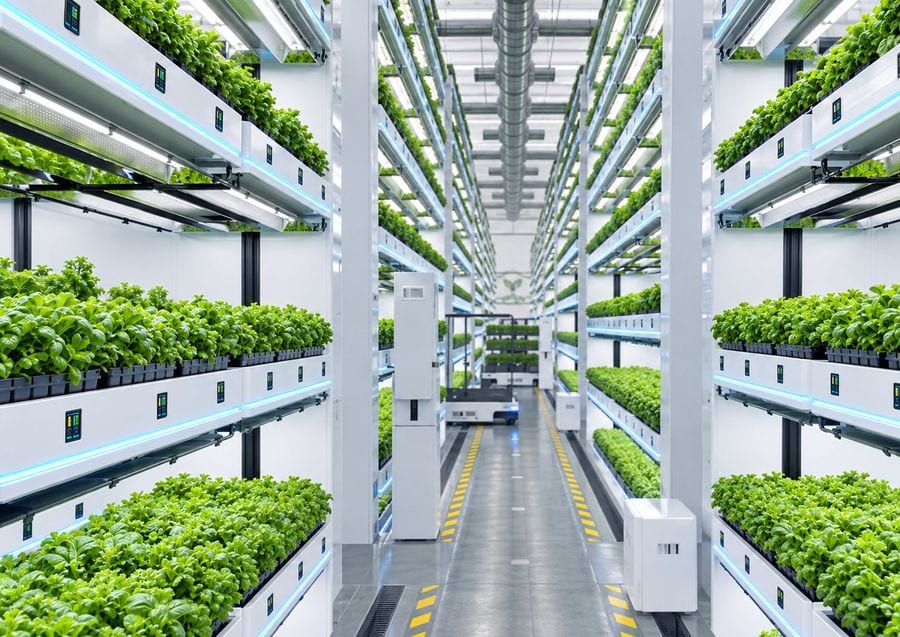
Plant factories use artificial lighting, climate control and fertigation systems to provide crops with a stable, adjustable growing environment. Compared with conventional cultivation, this approach reduces exposure to external climate variation and improves space efficiency, but it also places higher demands on technical management. Light, temperature, humidity, CO2 concentration and nutrient solution are interrelated parameters, and managers need to combine them with crop-specific and growth-stage-specific judgement.
According to the developers, “Chuiyuan” integrates knowledge from plant factory breeding and cultivation, climate control, energy management, artificial intelligence and automated control, and builds a dedicated knowledge base and related datasets to support plant factory construction and operation. Its scope covers not only technical issues during cultivation but also pre-project assessment and subsequent maintenance, reflecting a trend of artificial intelligence extending across multiple stages of production management.
For the smart cultivation industry, the value of such an agent lies first in improving the efficiency of acquiring and applying specialist knowledge. Plant cultivation involves agronomy, equipment, environment and energy, and in practice experience tends to be scattered while staff training takes time. Systematically organising that knowledge and providing assisted analysis for specific questions can help managers understand equipment status and crop requirements more easily.
At the same time, AI applications place demands on data quality. General knowledge can provide a reference, but specific control recommendations still need to be validated against equipment conditions, crop varieties, environmental records and actual growth performance. The same set of parameters may perform differently in different spaces, on different equipment and across crop batches, so continuous recording, trial validation and human review remain essential to deployment.
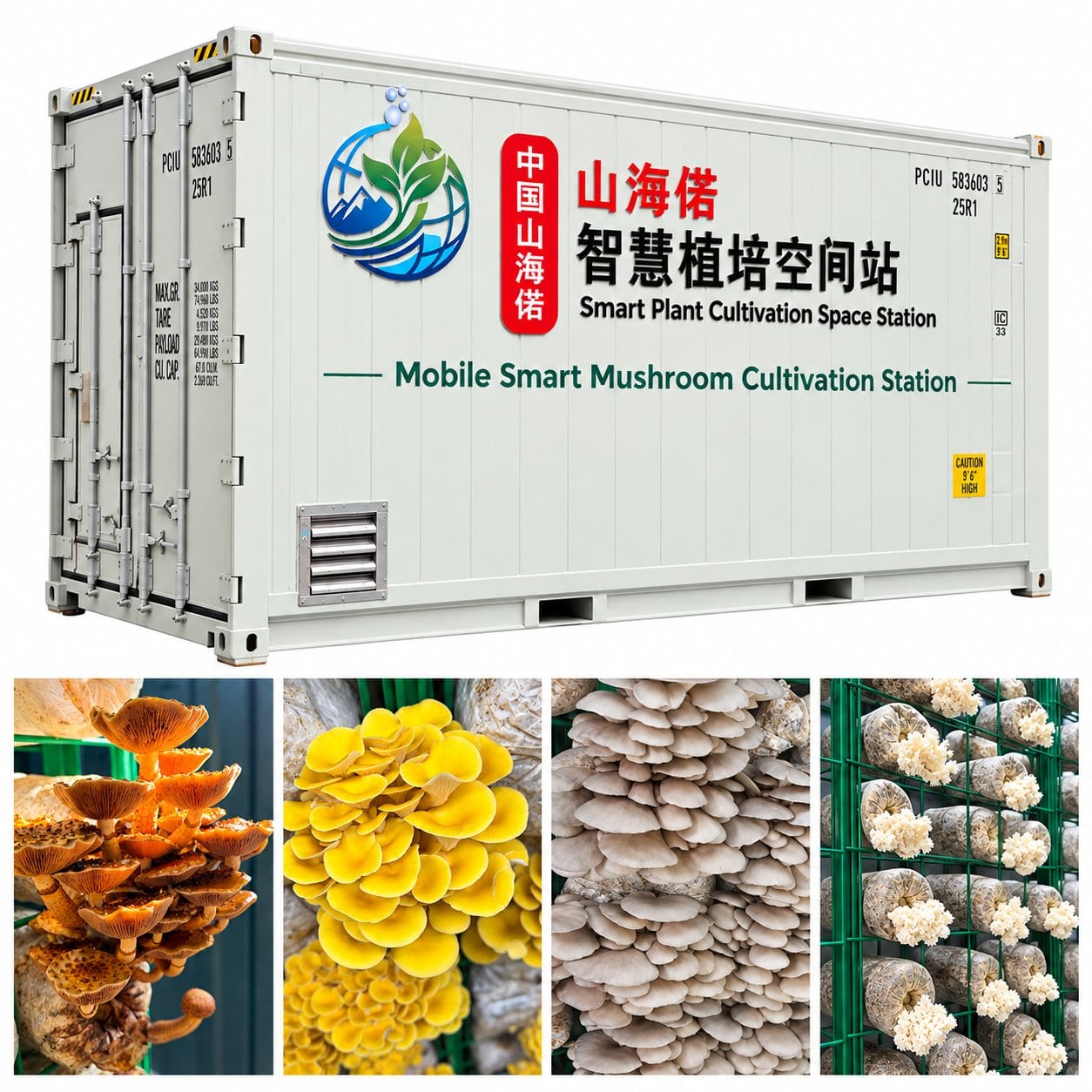
From the perspective of smart cultivation station product development, AI can become a service entry point connecting equipment and users — for example, explaining what parameter changes mean beyond displaying environmental data, offering troubleshooting ideas based on historical records when anomalies occur, and providing operating guidance and knowledge support in daily maintenance. These directions can improve usability, although actual results still depend on function design and validation.
The launch of this dedicated plant factory agent provides a practice sample worth following. As the technology is gradually integrated into production, combining specialist knowledge, site data and reliable control will remain a key topic for improving the management capability of smart cultivation systems.
Source: Zhejiang Top Cloud-Agri, “Release of the First Dedicated AI Agent ‘Chuiyuan’ for Plant Factories”