01|Process Route Overview
01 Process Route Overview: Land-Based Recirculating Aquaculture
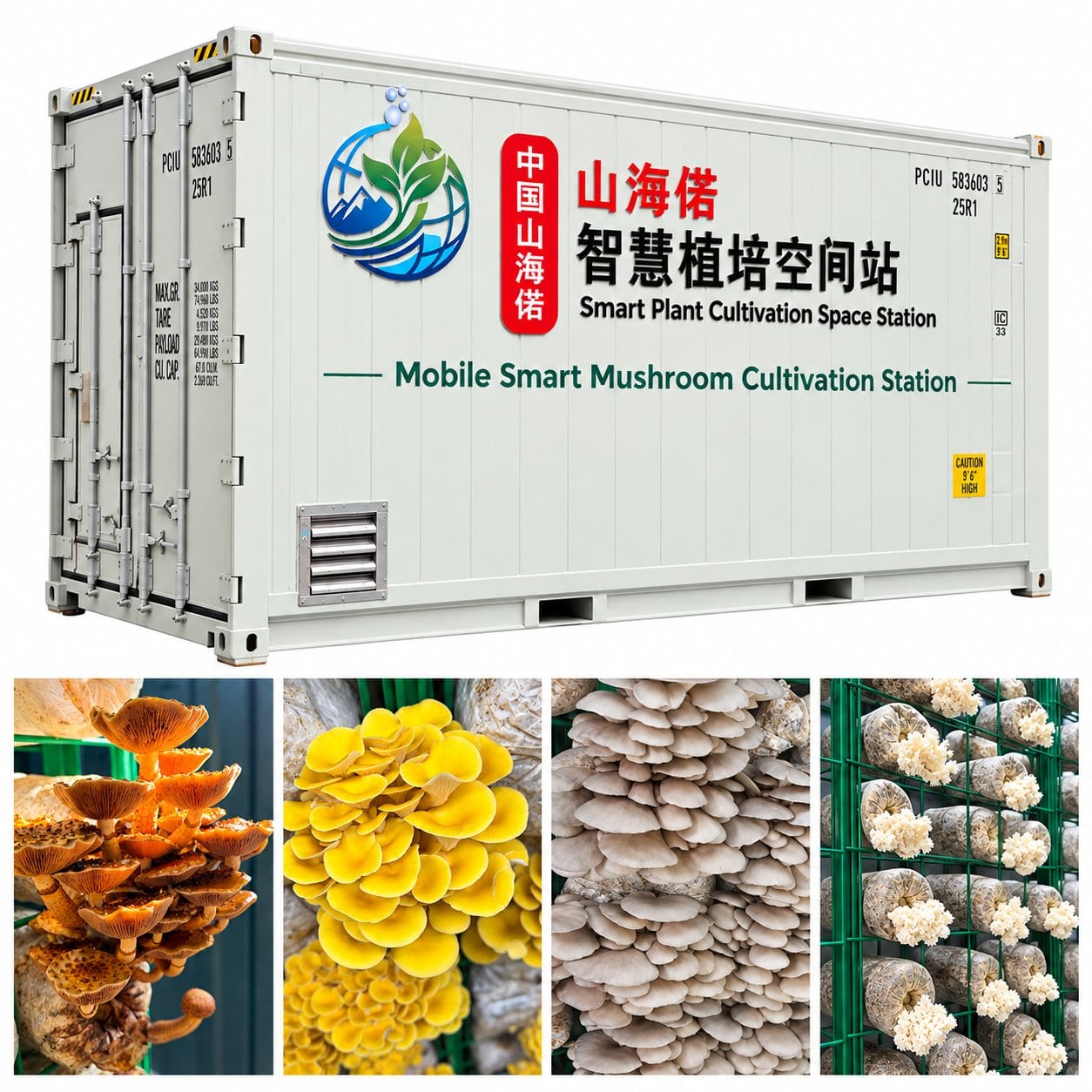
◆ Modular movable cabin, recirculating water treatment plus intelligent water quality control
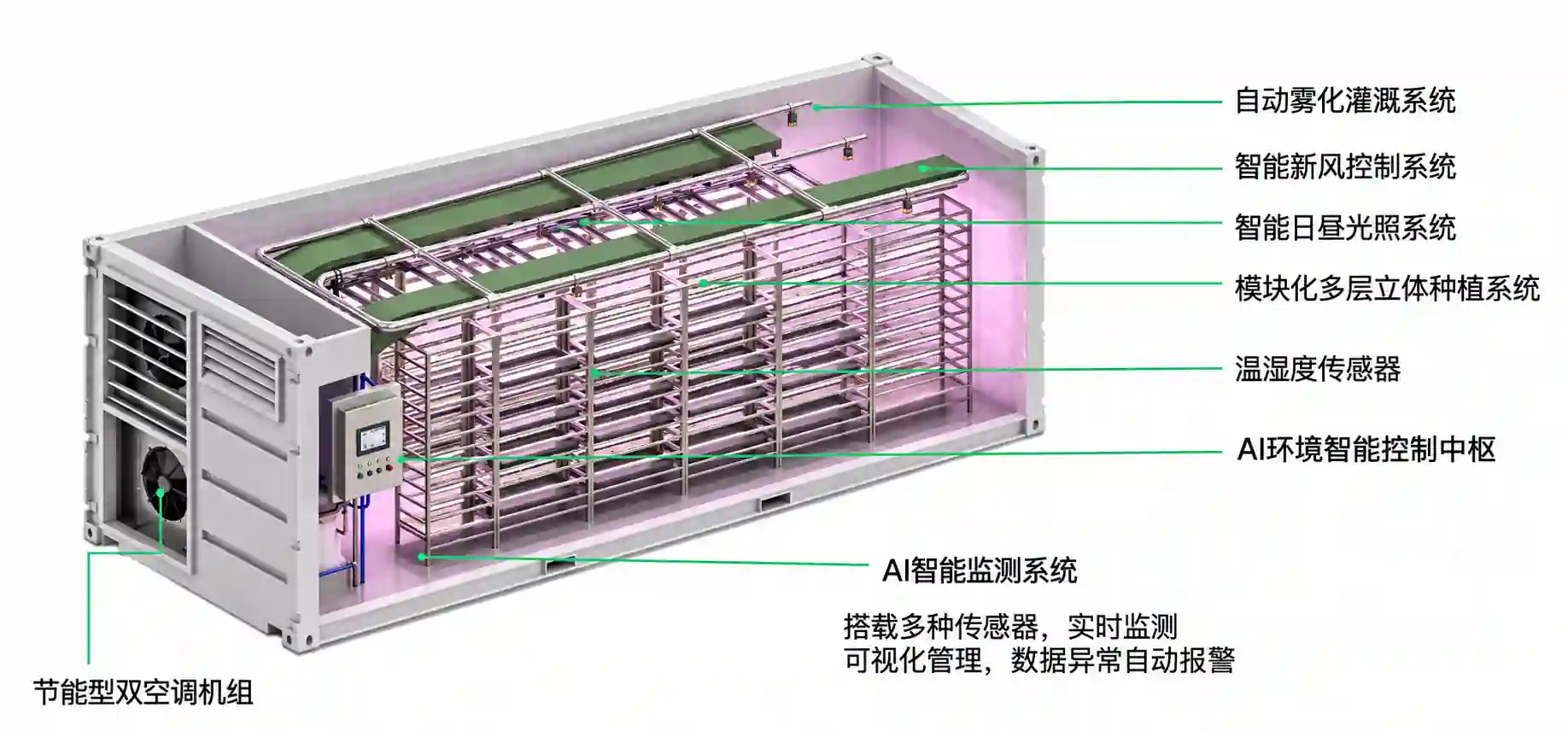
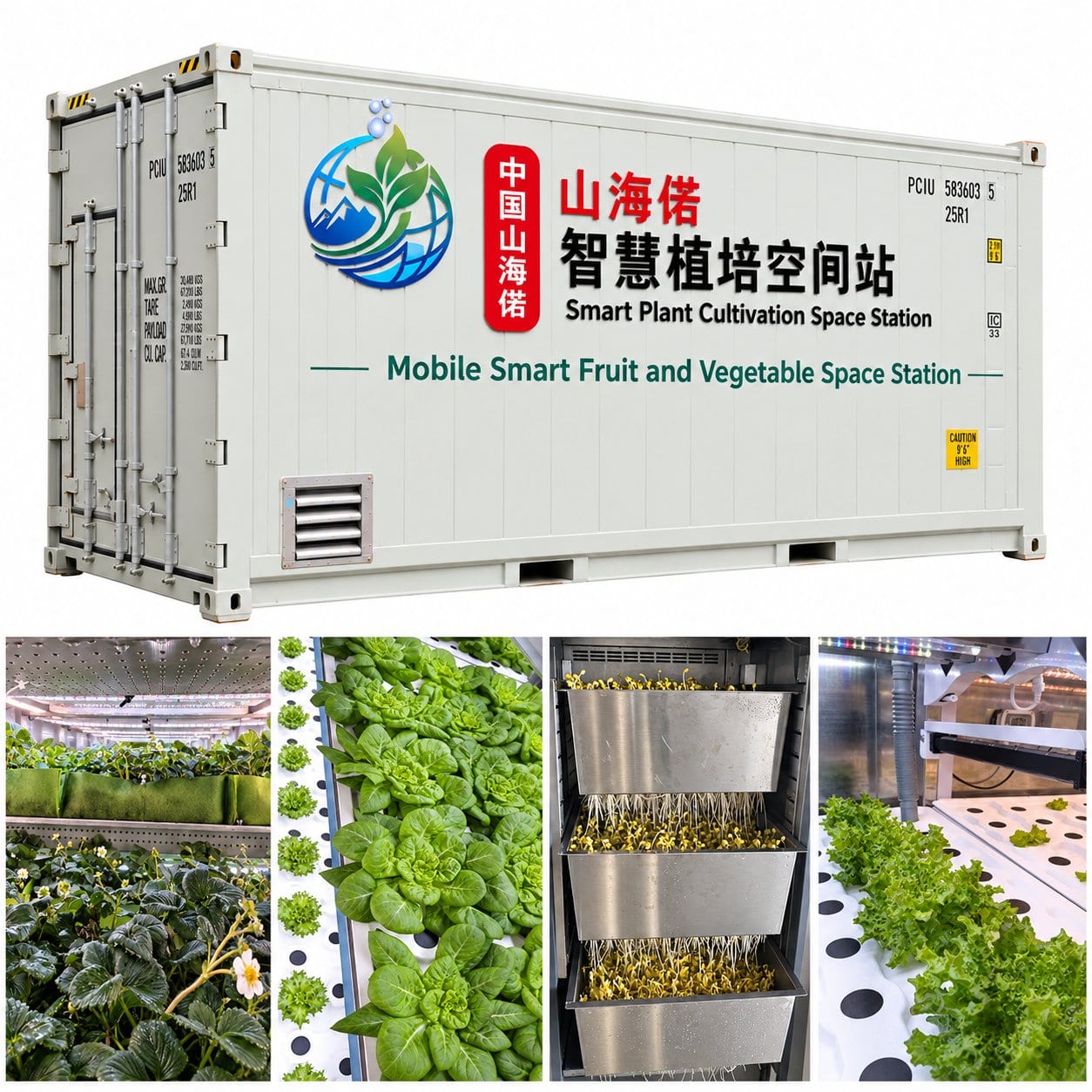
In-cabin aquaculture follows a land-based recirculating aquaculture system (RAS) route: culture water passes through mechanical filtration, biological purification, disinfection and oxygenation before returning to the tanks, while an integrated intelligent water-quality control system continuously monitors and automatically regulates temperature, dissolved oxygen, pH and ammonia nitrogen. The cabin is modular and movable, free of coastal and seasonal constraints, with a small footprint and low losses; because the culture space is isolated from the outside, disease isolation is strong and survival rates are higher. It supports the full cycle of shrimp from post-larval rearing to grow-out.
02|Water Quality Control
02 Water Quality Control: Closed-Loop Management of Four Key Indicators
◆ Accurate measurement and fast response are the core of survival in cabin culture
The core of a recirculating system is holding water quality inside the range suited to the cultured species: temperature drives metabolism and moulting rhythm and is regulated automatically by the temperature-control system according to the species recipe; dissolved oxygen is maintained by oxygenation equipment started and stopped according to real-time readings; pH and ammonia nitrogen are balanced through biological purification plus scheduled top-up and water exchange. All indicators are monitored continuously by the intelligent water-quality control system, corrected automatically and alarmed on excursion, replacing experience-based manual inspection — water management shifts from feel to data.
03|Energy Solution
03 Energy: PVT Photovoltaic-Thermal Integration
◆ Producing electricity and heat at once to power the culture equipment independently
The cabin can be equipped with a photovoltaic-thermal (PVT) solar system that produces electricity and heat from the same collector surface: the electricity runs water-quality monitoring, circulation and oxygenation equipment, while the heat helps keep the water warm — independently supplying clean energy to all culture equipment, cutting operating electricity costs and dependence on site power conditions, which particularly suits islands, aquaculture bases and teaching sites with limited grid access.
04|Cycle Staging and Water Quality Linkage
04 Cycle Staging and Water Quality Linkage: Staged Thresholds, Closed-Loop Correction
◆ One recirculating system with parameters staged across post-larval, grow-out and finishing phases
Shrimp culture runs long and individuals vary widely, so water-quality strategy must be staged: in the post-larval stage the animals are small and less tolerant, so temperature and dissolved oxygen are controlled strictly with low feeding and little water exchange — stability is the priority; in the grow-out stage feed intake and excretion rise and the ammonia load climbs, so circulation flow and oxygenation intensity are increased and the nitrifying biomass in the biological stage is kept active to keep converting ammonia; in the finishing stage feed and water-quality fluctuation are controlled to reduce stress and the losses caused by asynchronous moulting. Stage thresholds are executed by the intelligent water-quality control system: temperature, dissolved oxygen, pH and ammonia nitrogen are monitored continuously, corrected automatically and alarmed on excursion, forming a staged-setpoint → real-time monitoring → automatic correction loop that turns experience into reproducible parameters.